Sustainability in Construction… A Vision We Implement
We provide sustainable contracting solutions and engineering consulting that reduce environmental impact while achieving the highest operational efficiency for projects.
The Concept of Sustainability
Building Today… Preserving Tomorrow
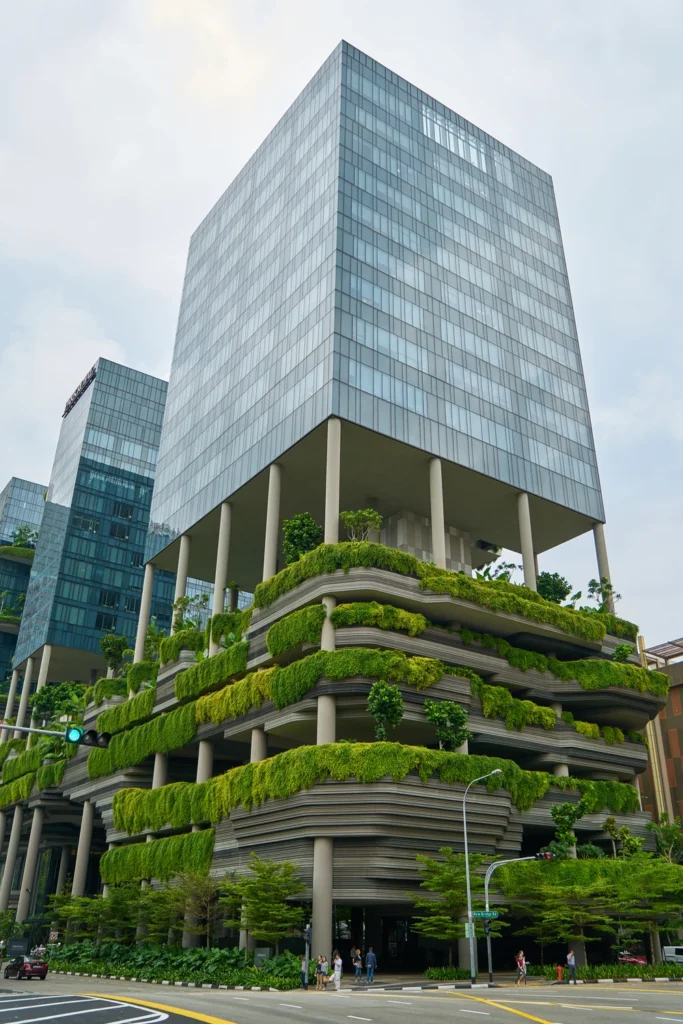
Sustainability in construction means designing, building, and operating buildings in a way that minimizes negative environmental impact throughout the building’s lifecycle. This includes using eco-friendly materials (such as recycled materials), improving energy and water efficiency, utilizing renewable energy sources, reducing waste, and providing a healthy, sustainable environment for users—all supported by evaluation systems.
Foundations for a More Efficient Future
Sustainability relies on a set of core concepts that we apply in our projects, including improving energy and water efficiency, selecting eco-friendly construction materials with a low carbon footprint, minimizing construction waste, and enhancing indoor environmental quality to ensure long-term building performance.
Energy and Water Efficiency
Using designs that maximize natural lighting and ventilation, along with installing water-saving systems.
Sustainable Materials
Relying on recycled, renewable, locally sourced, or low-carbon-footprint materials (such as bamboo and precast concrete).
Waste Reduction
Managing waste generated during construction and demolition.
Health and Comfort
Providing a healthy indoor environment for residents and improving air quality.
Building Lifecycle
Considering sustainability at every stage: planning, design, construction, operation, maintenance, and recycling/demolition.
The Importance of Sustainable Construction
Real Value… Today and in the Long Term
Sustainable construction is not only about protecting the environment; it also delivers economic benefits by reducing operating costs and extending building lifespan. Additionally, it has a social impact by improving quality of life, user health, and increasing the value and long-term sustainability of real estate projects.
Environmental Benefits
Reducing carbon emissions, conserving natural resources, and minimizing pollution.
Economic Benefits
Lowering long-term operational costs (energy and water bills) and increasing property value.
Social Benefits
Enhancing the quality of life and health of building occupants and the community.